

Sound

Studying sound through listening and resonance.

Nāda is not a thing you hear. It is what you are made of.

Sound

The Indian tradition approached sound as far more than an acoustic event — through ideas such as Nāda Brahman, vibration becomes a way of understanding life, consciousness and form. Contemporary fields such as psychoacoustics, auditory neuroscience and psychophysiology offer a different lens through which our response to sound can now be studied.
At Damaru, sound is approached in three registers simultaneously: as a discipline to be studied and trained; as a therapeutic modality applied to the individual; and as a shared experience that transforms the quality of attention in a room. These are not interchangeable. They are offered differently, with different intentions, different preparation, and different depths of engagement.

Nāda Sūtra Pathway

A Five-Level Journey into Sound

Sound can be encountered in many ways — heard, felt, studied, practised, facilitated and eventually lived.
The Nāda Sūtra pathway is designed as a progressive journey through these layers. You do not begin by learning how to “conduct a sound bath.” You begin by learning how to listen.
Across five levels, the journey moves from personal discovery and direct experience into study, practice, facilitation, specialisation and an ongoing community of learning.
Each level has its own purpose. Together, they form Damaru’s complete pathway in integrative sound practice.

Sound Facilitations for Groups

Something changes in a room when people listen together. Shared rhythm, attention, voice and sound can influence arousal, breathing, attention and the felt quality of a group experience. Ancient traditions have worked with collective sound for centuries; contemporary research gives us new ways of examining that experience.

Sound Therapy for Individuals

When sound is applied to one person, with care and clinical intention, it becomes something different from facilitation. It becomes therapy.

Mantramayi

Mantra is more than prayer. It is sound approached with precision.

Mantramayi is Damaru's dedicated space for the study and practice of mantra as a classical Indic discipline. It exists in two forms — a community circle and personal sessions with Mauli — each distinct in format, both rooted in the same understanding: that mantra is precision practice, not ambient devotion.

Voices from Janani

5/5

"I came here feeling overwhelmed and exhausted. The care I received not only helped me heal physically but also gave me a renewed sense of peace. The team truly listens and makes you feel valued every step of the way."

Mindful Nature Walks
4/5

"I struggled with stress and chronic pain for years. After working with the team, I finally found relief and a plan that works for my lifestyle. They focus on the whole person, not just the symptoms."

Healing Sound & Energy
5/5

"What I love most is how personalized the care is. I never feel rushed, and every visit leaves me feeling stronger and more balanced. This clinic has truly changed my outlook on health and wellness."

Full Moon Ceremony
5/5

"The professionalism and genuine care here are unmatched. Every session helps me feel more energized and motivated to take care of myself. I can honestly say this experience has been life-changing."

Inner Fire Breathwork
4/5

"From the moment I walked in, I felt at home. The staff’s compassion and dedication make all the difference. I’ve gained not just better health, but also confidence and hope for the future."

Deep Rest Yin Yoga

Who teaches at Bodha?

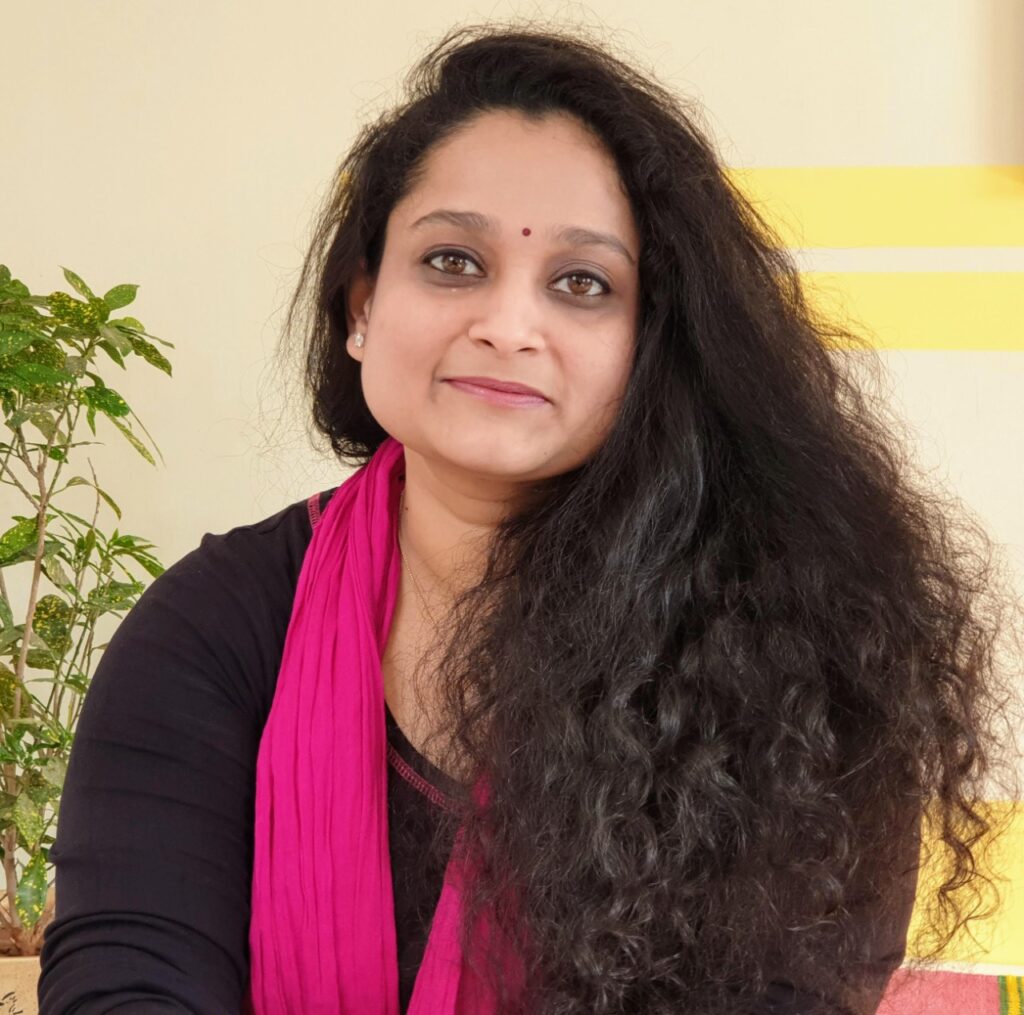
The work of Bodha is held by Mauli and a small circle of senior collaborators. Each one is a serious practitioner first, and a teacher second.

MAULI BAVISKAR

Yoga Acharya 
Director, Damaru Wellness

27+ years of practice. 15+ years of teaching. Vice Chairperson, Indian Yoga Association, Gujarat Chapter.

Where to begin

The right starting point depends on where you are in your journey. We have built three paths.

How to Apply

The work of Bodha is held by Mauli and a small circle of senior collaborators. Each one is a serious practitioner first, and a teacher second.

If you would like to begin

Beginning Janani does not mean enrolling in a program straightaway. It can simply mean a conversation, with us, about what is right for you and where you are.